Arc
A shader for Iris & Optifine that aims to providing realistic visuals with very minimal performance loss. Almost every effect/feature can be fine-tuned for the ideal balance between performance and quality. This project is still in beta but will be reaching initial release very soon!
### Features
– HDR
– Full PBR support
– Dynamic, direct, colored block lighting
– Volumetric fog/lighting
– Automatic exposure
– Screen-space reflections
– Water waves & refraction
– Supports distorted and cascaded shadow mapping.
– Depth-of-Field
– Bloom
Also contains special support for [PhysicsMod](https://www.curseforge.com/minecraft/mc-mods/physics-mod) ocean waves & snow!
### Resource Packs
Supports LabPBR and OldPBR texture formats; The default setting for materials is “vanilla”, which hard-codes a limited set of PBR material values for the original Minecraft textures.
The recommended resource pack is [Patrix](https://www.patreon.com/patrix); when used make sure to set the shader setting for Material Format to “Patrix”, as it uses a special combination of OldPBR and LabPBR formats.
### Compatibility & Support
For best results use Iris 1.6 or later; however most features should work with Optifine or Oculus. If you have any suggestions or requests, you can reach out to me on the [ShaderLabs Discord](https://discord.gg/9CRwrfYU).
Aragorn’s Light Shader
# ARAGORN’S LIGHT SHADER
This is a simple, lightweight shader based on Iris that adds realistic anti aliasing shadows and realistic water and clouds. It is not resource-heavy and is ideal for most users.
IMPORTANT: Kindly disable clouds through ‘Options > Video Settings’ as the shader includes a custom cloud engine.
Anti Aliasing (TAA, FXAA)
# ABOUT:
Fix aliasing on textures and object boundaries. It is designed to smooth out visual artifacts. It has two modes: FXAA and TAA. The first mode is faster, while the second is more accurate. There is also support for Distant Horizons.
### Example 1: OFF/ON
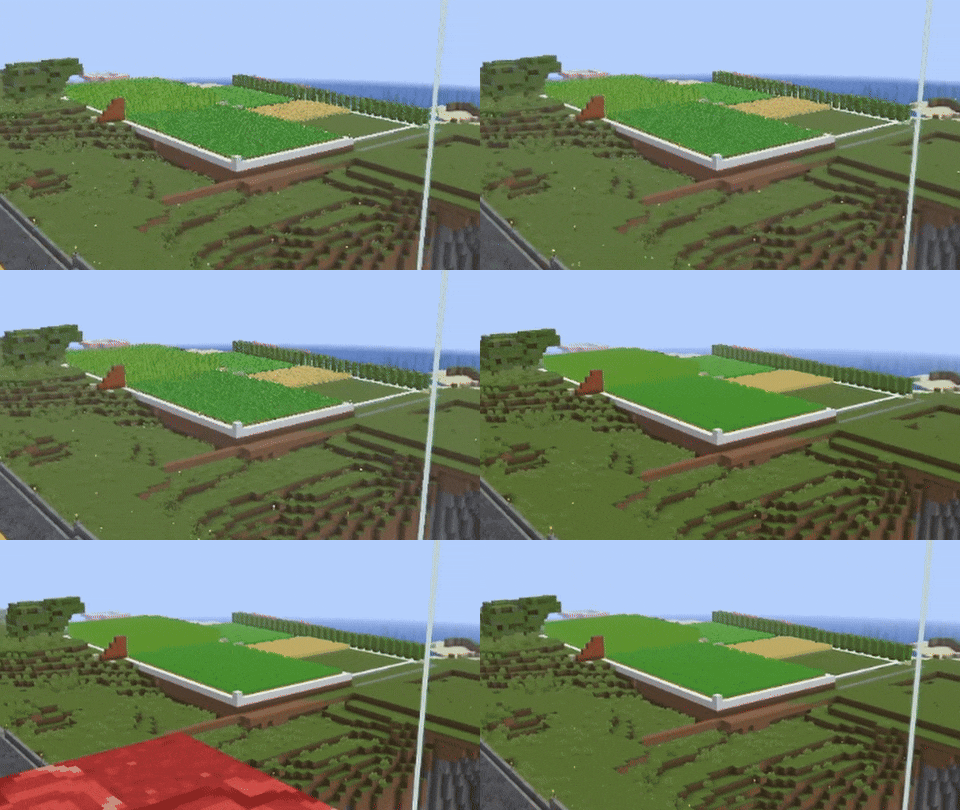
#### When turned off, the image ripples and everything twitches, when turned on, the artifacts disappear.
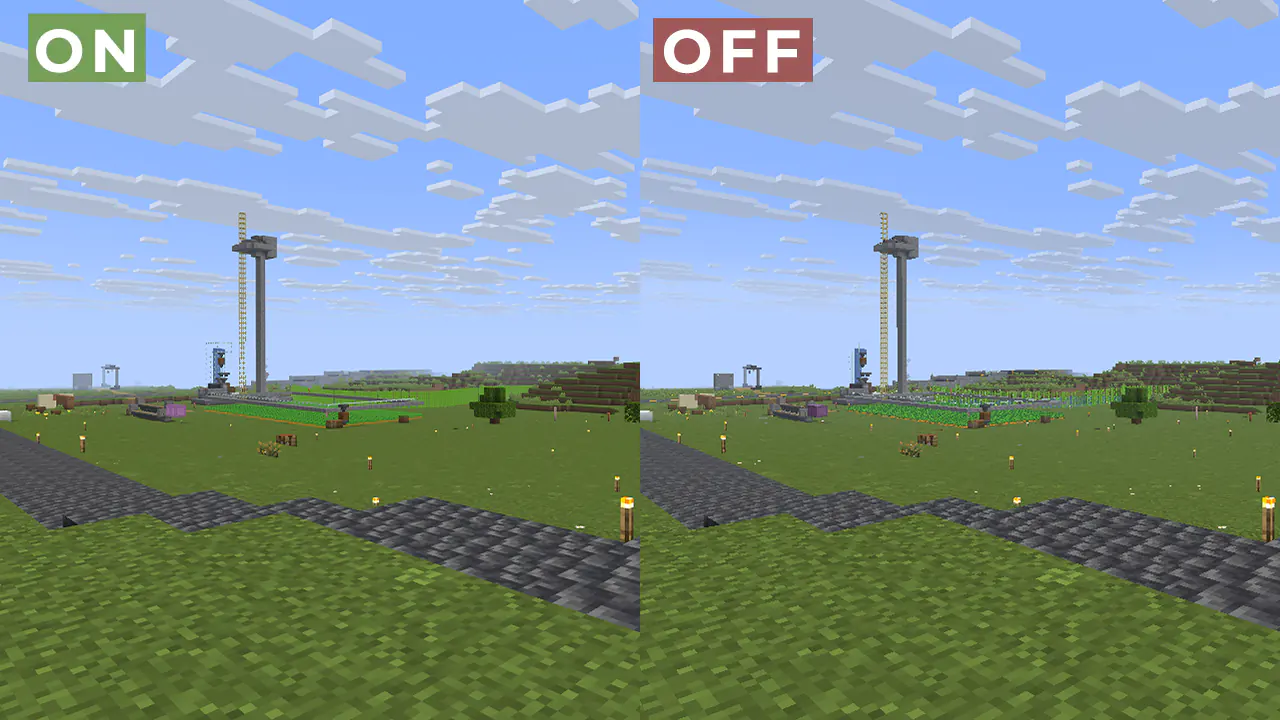
### Example 2:
## FAQ:
How is it different from other projects?
Fog support for all versions, new method FXAA and better performance than TAA Project.
What is the difference between FXAA and TAA?
FXAA is a simple and fast post-filter that blurs sharp edges, while TAA uses data from previous frames to produce a smoother image, especially when there is movement.
###### Part of the code, namely the implementation of TAA, was taken from TAA Project, so the license is MPL-2.0.
Animtr
A customizable Minecraft shaderpack that transforms the game into a polished anime aesthetic. eatures crisp white sticker borders with soft edges, vibrant pastel color grading, and smooth toon shading with configurable cel levels. It includes material-dependent palette corrections for water, sand, and dirt, plus optional glow effects for glowing entities and ore blocks. You can toggle on extra detail to preserve texture clarity, or enable Candy Mode for biome-specifc color boosts on foliage and water. Everything is adjustable from border thickness and opacity to hand-drawn grain and warmth—fully configurable from Minecraft’s shader settings menu.
Ancient Dream
## Ancient Dream
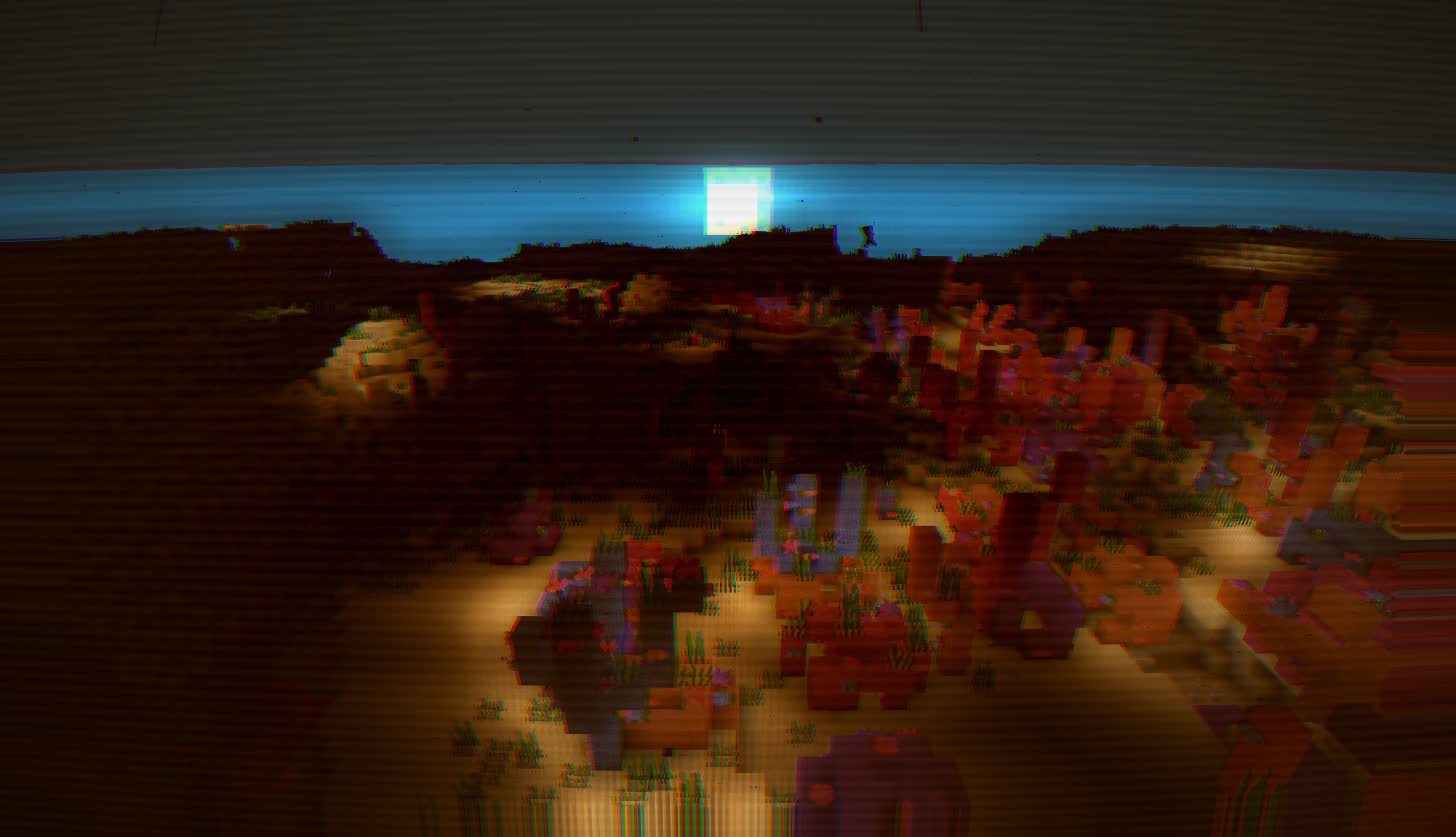
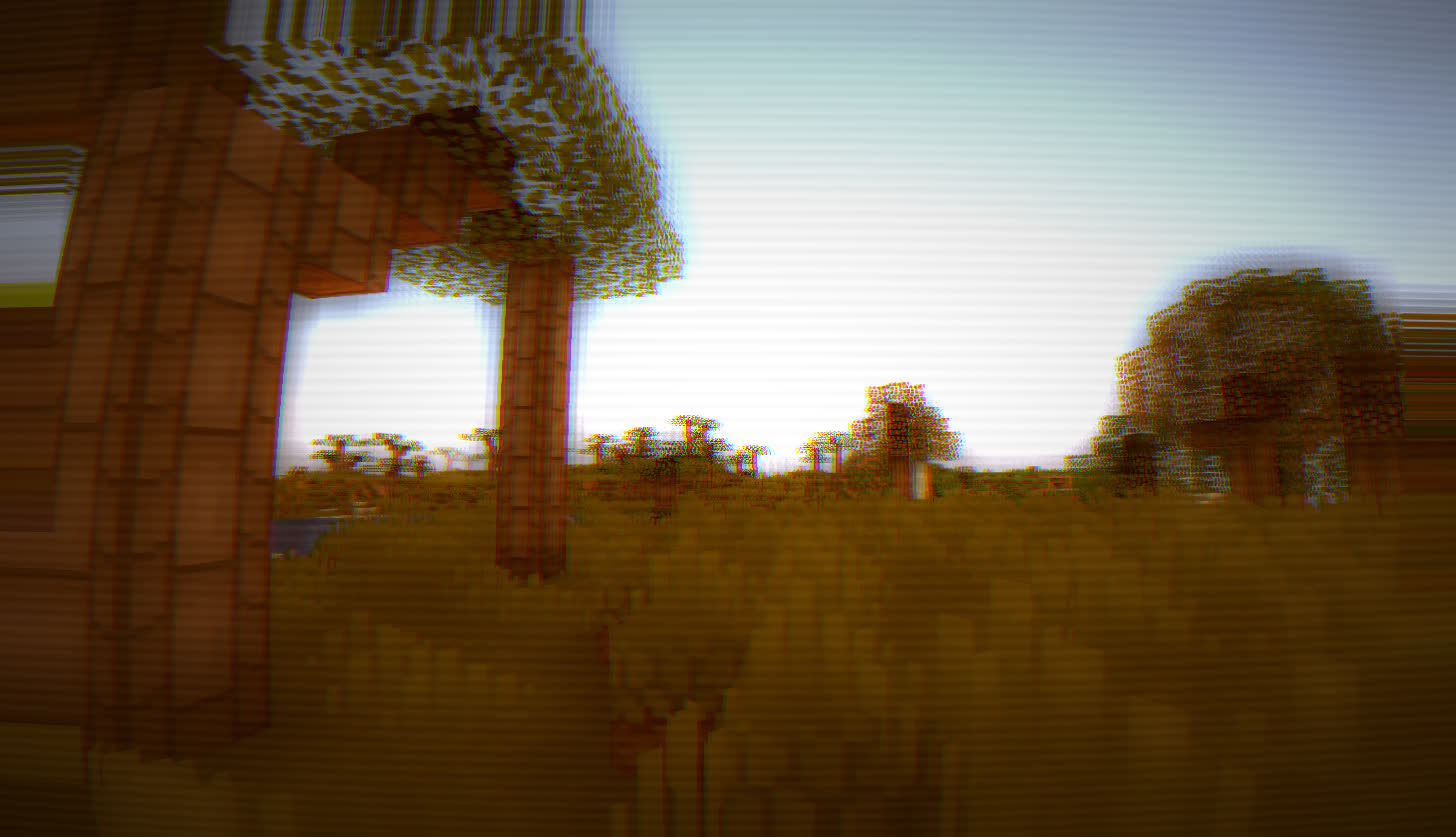
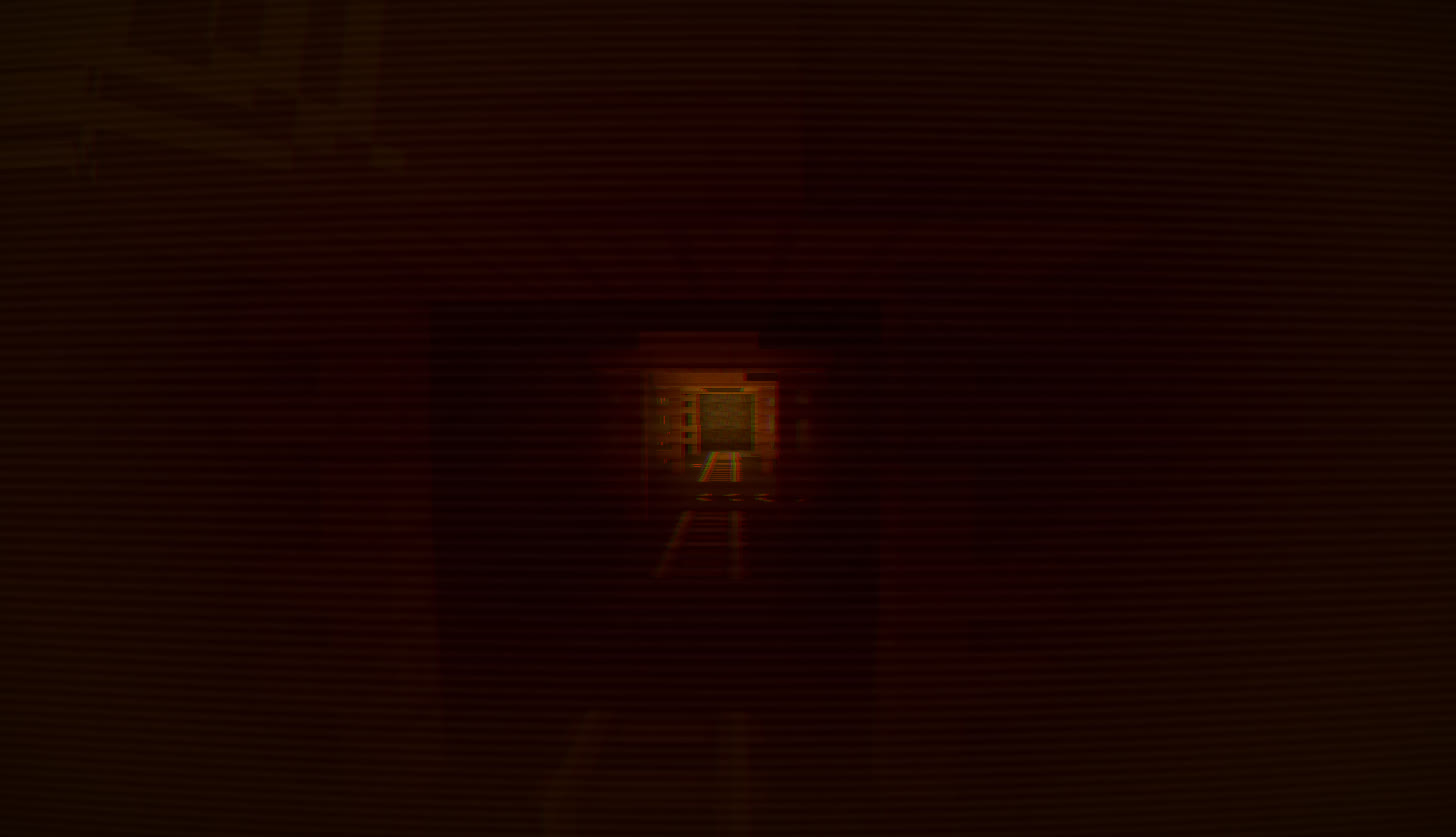
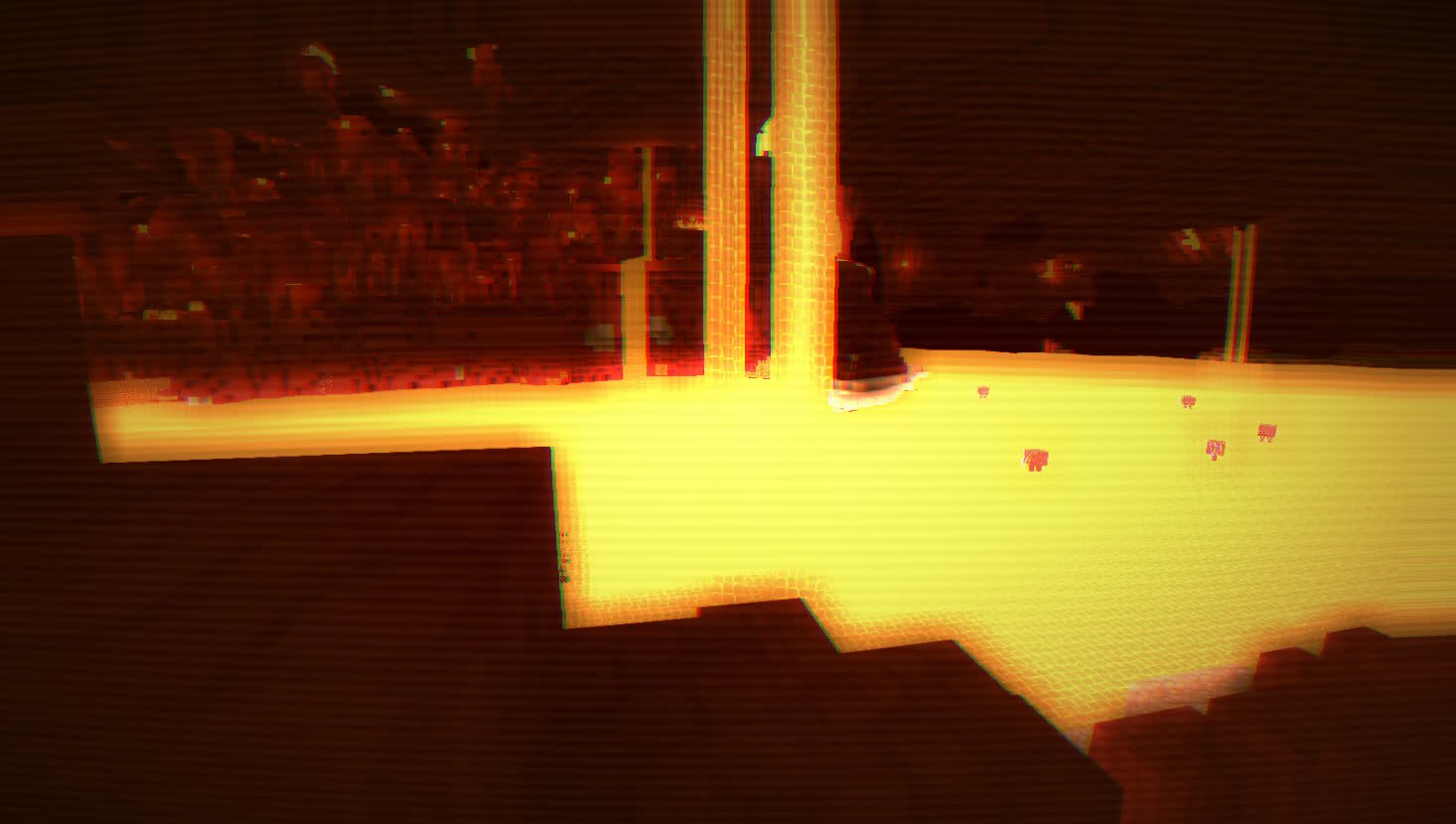
A lightweight horror-themed shader that adds visual effects while minimizing impact on gameplay and performance.
### About:
This is a stylized, mildly horror-themed shader
### System Requirements:
Minimum: Intel HD530
Recommended: GTX960m or better
Amethyst Shaders
## What are Amethyst Shaders
[](https://modrinth.com/shader/amethyst-shaders) [](https://modrinth.com/shader/amethyst-shaders)
[](https://curseforge.com/minecraft/shaders/amethyst-shaders)
[](https://curseforge.com/minecraft/shaders/amethyst-shaders)
Based on [**Complementary Reimagined**](https://modrinth.com/shader/complementary-reimagined)
Supports Distant Horizons AND PBR!
[WIP] Amethyst Shaders are a modified version on [**Complementary Reimagined**](https://modrinth.com/shader/complementary-reimagined), with quite a few tweaks to suit our visual style. **It is an Official Amethyst Group Project, made by gamerbenyt.**
**Amethyst Shaders** is in a **very Early Alpha state**, and has many bugs. If you encounter any bugs, please [**create a ticket**](https://github.com/gamerbenyt/amethyst-shaders/issues/new) on the **Amethyst Shaders Support Github**.
**Modifications:**
– **Daytime sky is more blue**
– **Clouds have a thick shiny outline to them (does not reflect world outline preferences)**
– **All blocks are more vibrant**
– **The Nether is more contrasty (eg. brighter blue in soul sand valleys)**
– **The End has brighter beams (the fog-type thing) and more stars**
– **The End has a brighter blue-ish-purple sky**
– **Rain adds visible light rays to light-emmiting blocks (eg. nether portal)**
– **Modified pixelated shadows, included in the default profile.**
Our Developers say that they prefer the Reimagined style, as that is what Amethyst Shaders is based on, but there is an option for the Unbound visual style, like normal Complementary.
### Notice:
Though Amethyst Shaders is based on [**Complementary Reimagined**](https://modrinth.com/shader/complementary-reimagined), it **WILL NOT** be getting updates when Reimagined does, and the only updates that will be brought over from [**Complementary Reimagined**](https://modrinth.com/shader/complementary-reimagined), is their updated license, though updates to the license are very rare. We include the Complementary License and follow it, but you must also agree to [**Our License**](https://github.com/gamerbenyt/Amethyst/blob/main/LICENSE)
### Don’t give us the credit!
**Amethyst Shaders is based on [Complementary Reimagined](https://modrinth.com/shader/complementary-reimagined), and we have only modified it to our liking! Go support the [Complementary Team](https://www.patreon.com/emingt)!**
## Amethyst Shaders 2.3 Out Now!
## Compatibility
Amethyst Shaders was build and playtesting using [**Iris**](https://modrinth.com/mod/iris) but should have some compatibility with [**Optifine**](https://optifine.net/home), as [**Complementary Reimagined**](https://modrinth.com/shader/complementary-reimagined) works on [**Optifine**](https://optifine.net/home). We cannot guarantee that all features will be functional, or function correctly on [**Optifine**](https://optifine.net/home), but most people use [**Iris**](https://modrinth.com/mod/iris) nowadays anyways, so it should be no problem.
## Other Stuff
### **GET OUR FREE** [**WALLPAPERS**](https://drive.google.com/drive/folders/13FiIDOtwQOllx-MAMbBx9lLRw80YE5s9?usp=drive_link)!
AlternateCraft
### AlternateCraft
Transform your Minecraft world into a surreal, dreamlike dimension with AlternateCraft – a shader that makes reality itself pulse, warp, and shift before your eyes.
**Features**
Hypnotic Pulsation – All textures pulse with multi-layered frequencies, creating a mesmerizing visual rhythm
Reality Distortion – Surfaces undulate and shift in fluid, wave-like patterns
Dynamic Patterns – Subtle flowing patterns weave through textures creating depth
Atmospheric Tint – A distinctive color shift adds to the altered reality feel
Subtle Glow – Pulsing areas emit a faint luminescence enhancing the dreamlike state
Performance Optimized – Carefully crafted to maintain good FPS even on mid-range systems
**Perfect For**
Surreal and psychedelic building projects
Experimental adventure maps
Trippy content creation
Liminal space exploration
Unique streaming content with a twist
Players seeking an alternative, mind-bending Minecraft experience
aesyin’s shaders


# About
aesyin’s shaders is a shaderpack that aims to cartoonify and stylize Minecraft’s look, developed for Minecraft: Java Edition. It’s bright and vibrant.
_Resource Pack used is Bare Bones_
This shader includes:
– Realtime Shadows
– Bloom
– Motion Blur
– Entity Outlines
– and Customisable Water.
_**This shader supports [Voxy](https://modrinth.com/mod/voxy)**_
# AGREEMENT
This shaderpack is licensed under the Creative Commons Attribution-NonCommercial-ShareAlike 4.0 International License (CC BY-NC-SA 4.0).
You are free to share and modify the pack as long as you:
– Credit the original creator (aesyin)
– Do not use it for commercial purposes
– License modified versions under the same terms
# INSTALLATION
– Download and install Optifine or Iris
– Download the shaderpack
– Put the shaderpack inside .minecraftshaderpacks
– Launch Minecraft
– Open Options, Video Settings, Shaders
– Choose aesyin’s shaders
Aeon
# AEON
Minecraft shaders intended to emulate the graphic design style of early tech, as well as that of certain retro sci-fi, dithered, and other minimalist styles.
Massive thanks to Alex Charlton for their webpage on “Dithering on The GPU”. The code from there is the backbone of this shader.
## Gallery


Adaptive Outline
### This is a vanilla shader with a stroke.
The stroke brightens the light areas and darkens the dark areas.

шейдер изменём только в final.fsh
“`
#version 330 compatibility
uniform sampler2D colortex0;
uniform sampler2D depthtex0;
in vec2 texcoord;
layout(location = 0) out vec4 color;
void main() {
vec2 texel = 1.0 / vec2(textureSize(colortex0, 0));
vec4 scene = texture(colortex0, texcoord);
float d_center = 1.0 – textureLod(depthtex0, texcoord, 0.0).r;
vec2 offsets[2] = vec2[](
vec2(texel.x, 0),
vec2(texel.x * 3.0, 0)
);
float gradients[4];
for(int i = 0; i < 2; i++) {
float d_right = 1.0 - textureLod(depthtex0, texcoord + offsets[i], 0.0).r;
float d_left = 1.0 - textureLod(depthtex0, texcoord - offsets[i], 0.0).r;
gradients[i] = abs(d_right - d_left) / (offsets[i].x * 2.0);
vec2 vertical_offset = vec2(0, offsets[i].x);
float d_up = 1.0 - textureLod(depthtex0, texcoord + vertical_offset, 0.0).r;
float d_down = 1.0 - textureLod(depthtex0, texcoord - vertical_offset, 0.0).r;
gradients[i + 2] = abs(d_up - d_down) / (vertical_offset.y * 2.0);
}
float gradient_ratio_h = gradients[0] / (gradients[1] + 0.0001);
float gradient_ratio_v = gradients[2] / (gradients[3] + 0.0001);
bool is_real_edge_h = gradient_ratio_h > 2.0;
bool is_real_edge_v = gradient_ratio_v > 2.0;
float edge = 0.0;
if(is_real_edge_h || is_real_edge_v) {
float max_gradient = max(gradients[0], gradients[2]);
edge = max_gradient * 500.0;
}
float depth_precision = 0.001 + d_center * 0.01;
if(edge < depth_precision * 100.0) {
edge = 0.0;
}
float threshold = 0.15;
if(edge > threshold && (is_real_edge_h || is_real_edge_v)) {
float edge_strength = clamp((edge – threshold) * 2.0, 0.0, 1.0);
vec4 color_up = texture(colortex0, texcoord + vec2(0, texel.y));
vec4 color_down = texture(colortex0, texcoord – vec2(0, texel.y));
vec4 color_left = texture(colortex0, texcoord – vec2(texel.x, 0));
vec4 color_right = texture(colortex0, texcoord + vec2(texel.x, 0));
vec4 avg_color = (color_up + color_down + color_left + color_right) * 0.25;
float neighbor_brightness = dot(avg_color.rgb, vec3(0.299, 0.587, 0.114));
float brightness_factor;
if(neighbor_brightness > 0.35) { // here we change the change threshold
brightness_factor = 1.0 + edge_strength * 0.2; // we’re changing it here brightens
} else {
brightness_factor = 1.0 – edge_strength * 0.2; // we’re changing it here darkens
}
color.rgb = scene.rgb * brightness_factor;
color.a = scene.a;
} else {
color = scene;
}
}
“`